

Comfortable shoes are universally desired. People want to look good. Millions face this daily dressing dilemma. The shoes that feel amazing often look terrible. The ones that look great destroy feet by lunchtime. This problem hits harder than people admit. Professional women especially face this challenge. They need shoes for long days and social events. Yet a lot of comfortable shoes convey “I’ve let myself go” more than “I’m a competent professional”. The fashion industry pretends this issue doesn’t exist. Magazines show models in either sky-high heels or chunky sneakers. Nothing in between. Real life demands something different.
Why Most Comfortable Shoes Miss the Mark
Walk into any comfort shoe store. It looks like nothing has changed in the selection since 1982. Bulky walking shoes fill the shelves. Colors are limited to beige, black, and white. The orthopedic style is obvious. The technology exists to make attractive, supportive footwear. Somehow, many manufacturers missed that memo. They stick with dated designs that nobody under 70 wants to wear. Young professionals need comfort too, but they also need credibility at work. Price creates another barrier. Quality comfortable shoes cost serious money. But they often look worse than cheaper, stylish options. Spending $200 on ugly shoes feels wrong. Even if they’re technically better for foot health.
The Style Sacrifice Nobody Wants to Make
Social media makes everything worse. Everyone posts perfect outfit photos. Nobody shows the moment they switch from cute shoes to comfort shoes in the car. That happens though. All the time. Women keep “decoy shoes” at their desks. They commute in comfortable shoes, then switch to professional ones for meetings. Some carry three pairs daily. That’s insane, but it’s reality for countless professionals.
The psychological toll adds up. Choosing between health and appearance shouldn’t be necessary. Yet that choice happens every single day. Foot pain becomes normal. Looking put-together matters more than feeling good. Something’s broken here.
The Brands Getting It Right
Finally, some companies cracked the code. They realized women wanted both comfort and style. These newer brands use athletic shoe technology in dress shoes. Memory foam appears in office-appropriate footwear. Arch support hides inside sleek designs. The gap between comfort and style began shrinking.
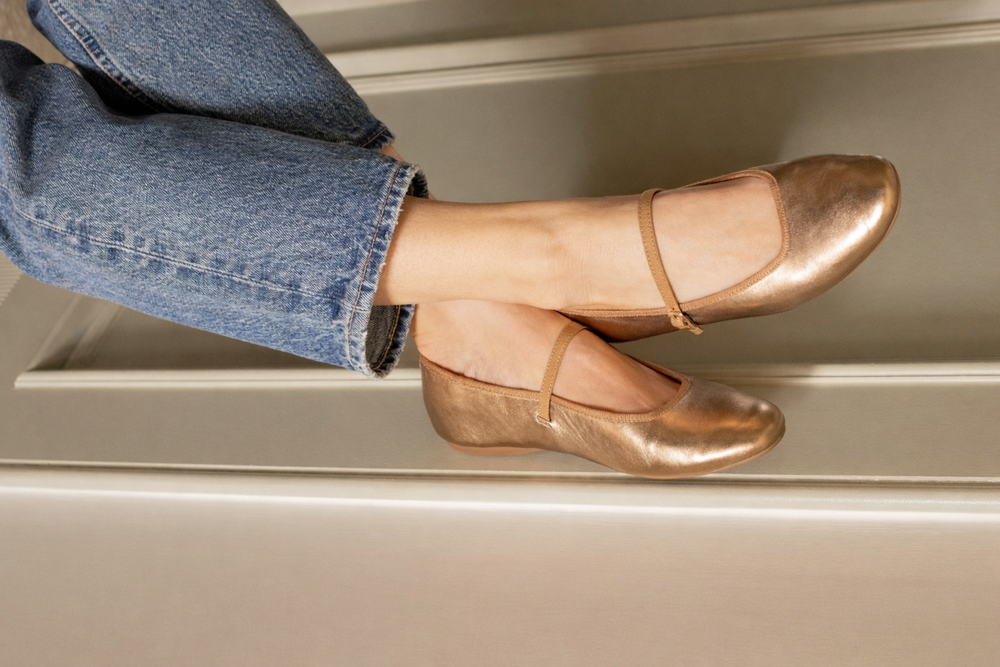
Companies like Birdies transformed ballet flats from torture devices into all-day shoes. They added quilted insoles and actual support while keeping the classic silhouette. Women bought them instantly because they solved a real problem. The price point works too. These shoes cost more than fast fashion but less than traditional comfort brands. For shoes that last years instead of months, the math makes sense.
What Actually Works
The secret? Start with fit. Shoes that actually match foot shape prevent most problems. Wide feet need wide shoes. Narrow feet need narrow shoes. Obvious? Yes. Ignored? Constantly. Materials matter enormously. Genuine leather stretches and molds. Synthetic materials don’t. That “breaking in” period with cheap shoes never really ends. They just stay uncomfortable forever. Rotation helps too. Daily wear of the same shoes accelerates their deterioration. It’s better to have three quality pairs than ten bad ones. Feet get variety. Shoes last longer. Everyone wins.
Conclusion
Things are changing. Younger consumers demand better. They won’t accept the comfort-or-style ultimatum. Brands that ignore this shift will struggle. Technology is constantly advancing. Custom-fit shoes could soon be a reality thanks to 3D printing. Smart materials could adjust to feet throughout the day. The possibilities sound like science fiction, but they’re coming. The comfortable shoe problem isn’t solved yet. But at least people finally acknowledge that it exists. Women openly discuss foot pain now. They share recommendations for shoes that actually work. The conversation shifted from suffering in silence to demanding solutions. That’s progress worth celebrating.